
Automotive Air Filter Procurement: Locate the Right Filter.
The Strategic Imperative of Accurate Procurement
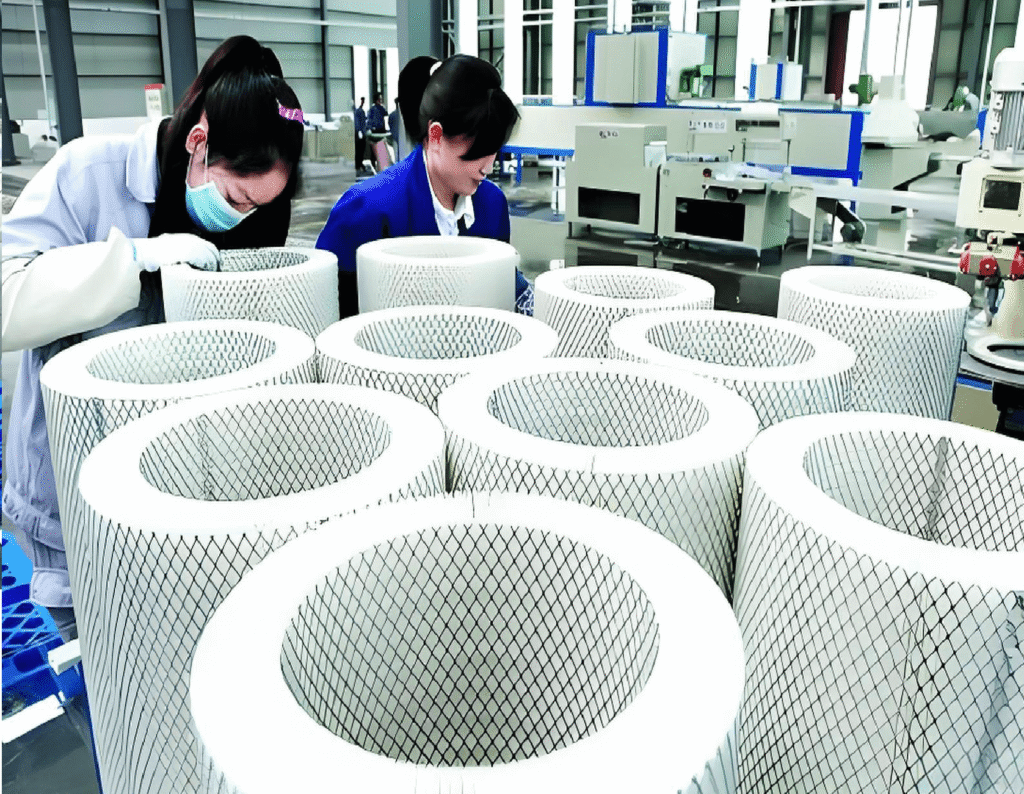
For importers and distributors engaging in Automotive Air Filter Wholesale, procurement accuracy is not a preference—it is a strategic necessity. Misidentifying a single part number on a large order can result in significant financial loss due to returns, customs delays, and crippling dead stock inventory.
As an experienced manufacturer focused exclusively on the B2B supply chain, we prioritize clarity. We recognize that while online intelligence provides market insights, the foundation of every successful transaction—especially those exceeding $2,000—rests upon mastering the industry’s technical coding standards.
OE Numbers: The DNA of Bulk Ordering Precision
The Original Equipment (OE) number is the undisputed gold standard for Commercial Vehicle Air Filter List As our clients confirm, this 8-to-12 digit alphanumeric code (e.g., 17801-YZZ03) is the primary reference used by professional B2B buyers globally. It directly links to the vehicle manufacturer’s Bill of Materials (BOM), minimizing the risk of dimensional mismatch.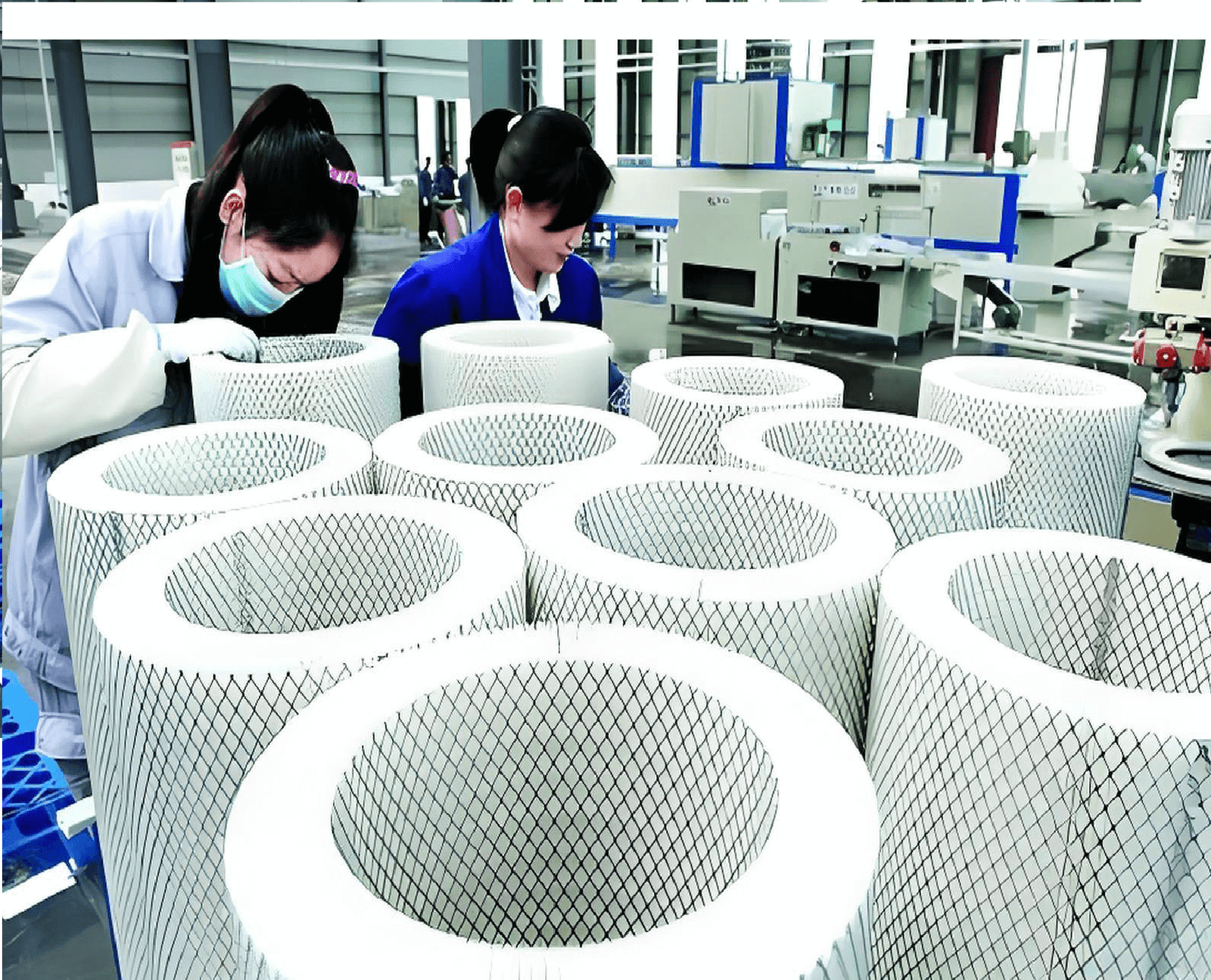
Deep Dive: Beyond the Dimensions
Crucially, reliance on the OE number alone is insufficient for technical procurement. The true test of a manufacturer’s expertise lies in handling the unspecified material variations within that OE number.
For example, an OE code specifies dimensions, but not always the filtration grade or material required for extreme climates. A single OE number might require different media in Saudi Arabia (high dust capacity, synthetic fiber) versus Sweden (low-temperature resistance, specialized sealant).
- Filtration Media: We consult with clients to select the optimal media—from standard Cellulose Paper for temperate climates to high-efficiency Synthetic Fiber or Composite Media for markets with severe dust or high humidity.
- Sealing Compounds: The choice of sealing ring is critical. We confirm if the application requires standard PU , or the superior chemical and thermal resistance of NBR or EPDM for vehicles operating in extreme engine bay temperatures or environments exposed to chemical vapors.
This level of detail, guided by the OE number and validated by the manufacturer, is the only way to safeguard your Automotive Air Filter Wholesale investment.
2. Leveraging Brand Codes for Market Coverage
While OE codes are the bedrock for ordering, brand-specific internal codes (e.g., Mann, Mahle) are essential tools for market coverage. Although some end-users search using these numbers, for the B2B distributor, these codes act as a powerful Interchange List.
A distributor must know the leading aftermarket code consumed by their local market to accurately map their inventory. Our factory utilizes proprietary cross-reference databases to instantly translate thousands of well-known brand codes into our own OE-equivalent production codes. This allows you to quickly launch private-label SKUs that directly compete with major brands, optimizing your Automotive Air Filter Procurement strategy and reducing time-to-market.
Digital Platforms: A Source of Market Intelligence
For strategic Automotive Air Filter Procurement, digital platforms should be used not for purchasing, but for market intelligence. Importers should treat platforms like Amazon’s or specialized B2B directories as data mining tools to identify trending products in their target regions.
By aggregating data on popular “Year-Make-Model” searches and validating the resulting OE numbers, buyers can effectively predict future container demand. Furthermore, using visual confirmation on these platforms—comparing product images against technical drawings—serves as an important final check before committing to a massive bulk order, mitigating the risk of incorrect inventory investments.
Conclusion: Partnership for Profitability
Mastering these three identification methods ensures that your Automotive Air Filter Wholesale strategy is grounded in precision and informed by market reality. Our role as your factory partner is to go beyond the numbers—to ensure that the correct materials are deployed for your specific market needs, guaranteeing supply chain efficiency and superior product performance.
